Accommodation Types
Where to Stay in Japan
Japan offers an extraordinary range of accommodation — from ultra-modern pod hotels to centuries-old inns where you sleep on futons and soak in private hot springs.
Ryokan
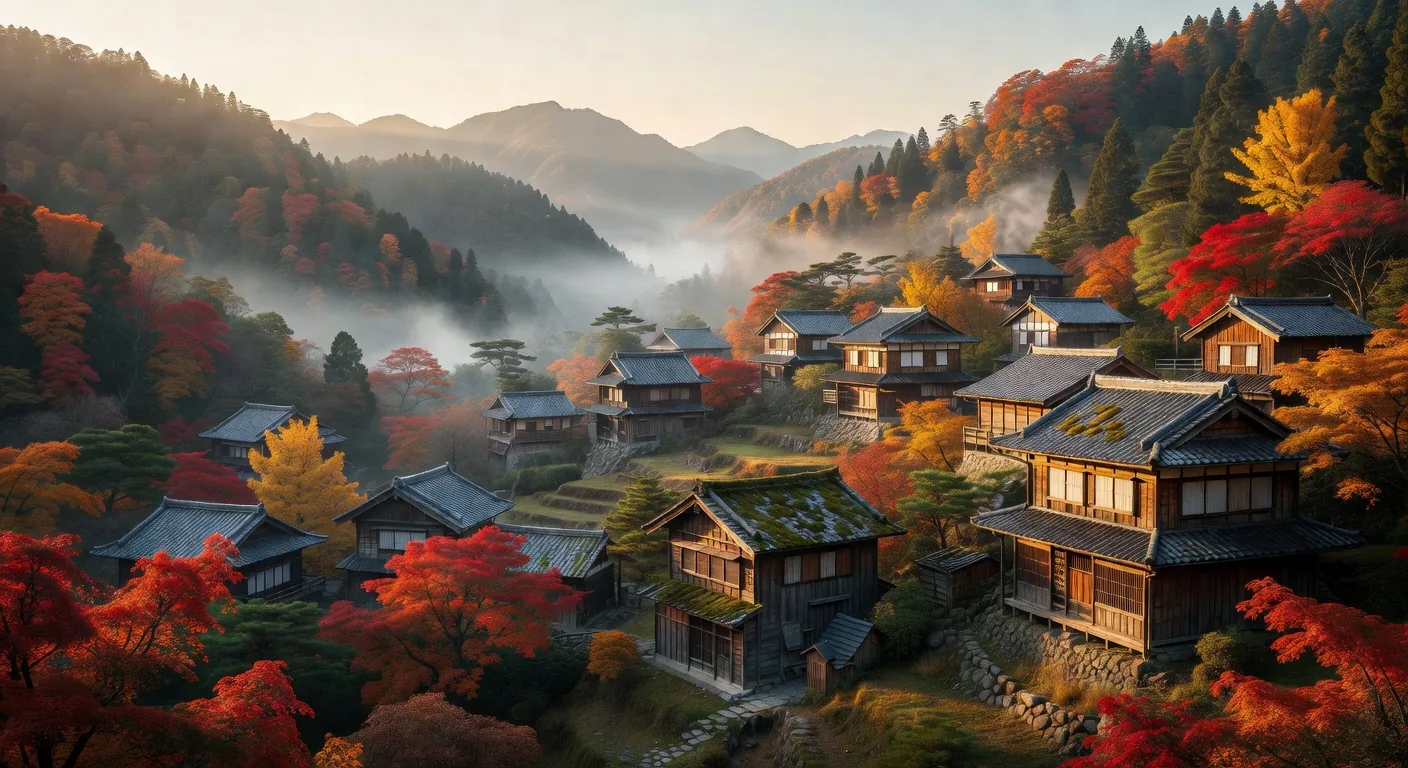
¥12,000 – ¥80,000+/night (incl. dinner)The quintessential Japanese inn experience. Tatami-floored rooms, futon beds, yukata robes, and elaborate kaiseki meals. Most include dinner and breakfast.
- Tatami rooms with futon bedding
- Yukata (cotton kimono) provided
- Onsen or private bath access
- Multi-course kaiseki dinner
- Traditional Japanese breakfast
- Personal room attendant (nakai)
Business Hotels
¥6,000 – ¥15,000/nightEfficient, affordable, and immaculately clean. Japan's business hotel chains are the backbone of domestic travel — perfect value for the price-conscious explorer.
- Toyoko Inn — ¥6,500–9,000, breakfast included
- APA Hotel — nationwide, compact and clean
- Dormy Inn — known for onsen facilities
- Rooms small but extremely well-designed
- Excellent Wi-Fi, vending machines, laundry
Capsule Hotels
¥3,000 – ¥6,000/nightAn iconic Japanese invention — individual sleeping pods stacked two-high, each with a TV, lighting, and privacy curtain. A must-try unique experience.
- Own sleeping pod with lockable storage
- Shared bathroom, lounge, restaurant
- Many have onsen facilities
- 9h Hotel and First Cabin are premium options
- Most are single-gender floors for privacy

Love Hotels
¥5,000 – ¥15,000/nightDespite the name, love hotels are a perfectly legitimate and often excellent-value accommodation option for travellers — featuring private, themed, well-equipped rooms.
- Can be rented by the hour (2–3h) or overnight
- Highly private — minimal staff interaction
- Rooms often feature Jacuzzi, karaoke, large TVs
- Self check-in via touchscreen machine
- Concentrated in Shibuya, Shinjuku, Osaka Namba
Temple Lodging (Shukubo)
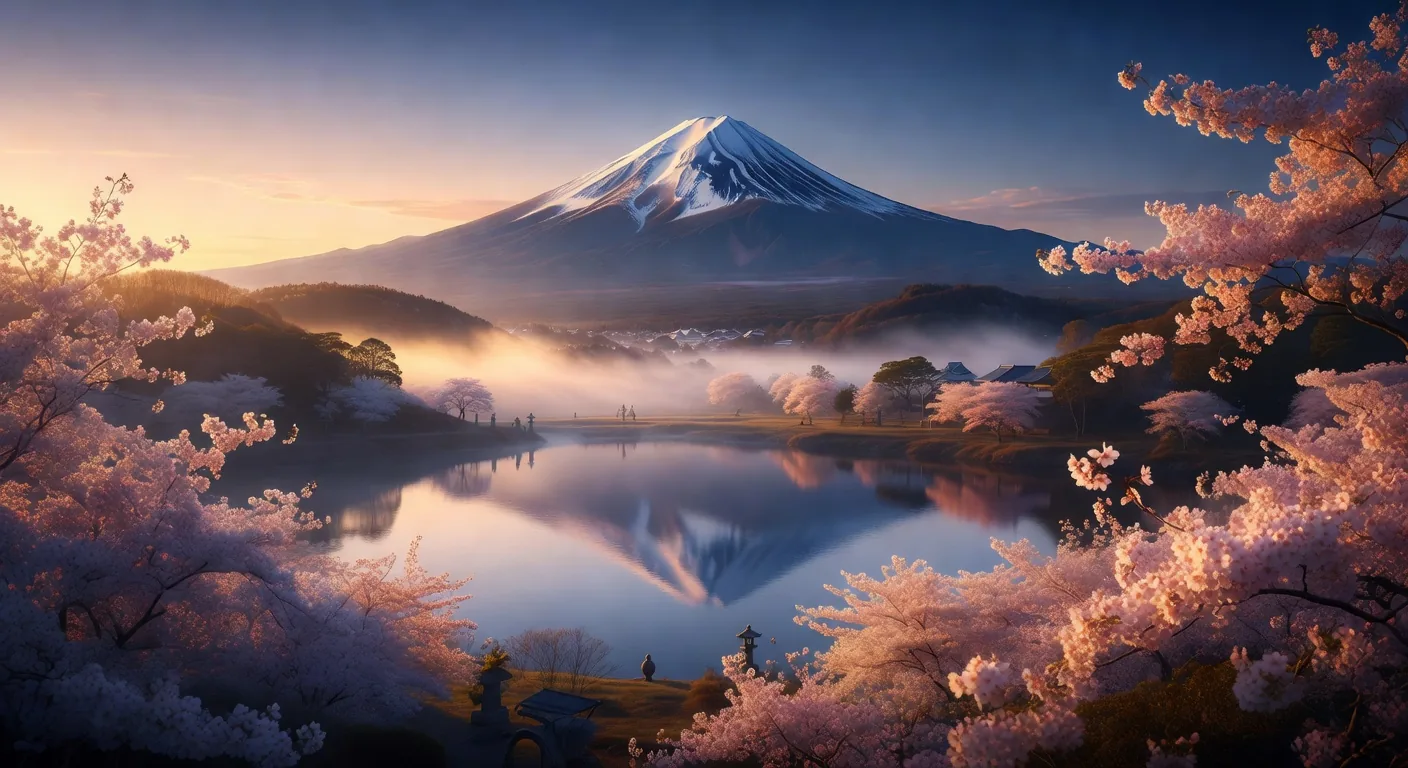
¥8,000 – ¥20,000/nightStay within active Buddhist temple complexes. Most famous at Koyasan (Mount Koya) — an unforgettable spiritual retreat involving meditation and vegetarian meals.
- Koyasan: 52 temples offering overnight stays
- Morning meditation or Buddhist ceremony
- Shojin ryori — elaborate vegetarian Buddhist cuisine
- Tatami rooms, temple garden access
- Book 2–3 months ahead for Koyasan
Guest Houses & Hostels
¥2,500 – ¥7,000/nightJapan's modern guesthouse scene blends traditional aesthetics with social travel culture. Great for meeting fellow travellers and getting local tips.
- Shared and private rooms available
- K's House chain — excellent nationwide network
- Many offer traditional Japanese décor
- Communal kitchens and lounge areas
- Central locations near transit
Top Picks
Hotel Recommendations by City
Carefully selected options across all budgets — vetted for location, quality, and authentic Japanese hospitality.
🗼 Tokyo
CapitalLuxury
The Okura Tokyo
¥60,000 – ¥120,000 / night
A legendary institution that blends 1960s Japanese modernist design with high-quality service. Stunning lobby, multiple restaurants, and impeccable hospitality steps from the US Embassy in Minato.
Mid-Range
Dormy Inn Asakusa
¥9,000 – ¥16,000 / night
Excellent value in the historic Asakusa neighbourhood. Famous for its rooftop onsen with Tokyo Skytree views. Late-night free ramen service is a fan favourite. Close to Senso-ji Temple.
Asakusa
Rooftop onsen
Free ramen
Budget
Khaosan Tokyo Kabuki
¥3,500 – ¥7,000 / night
Popular and well-reviewed hostel in Asakusa. Traditional wooden building with tatami rooms and welcoming international atmosphere. Walking distance to Senso-ji and Ueno Park.
Asakusa
Tatami rooms
Social vibe
🍁 Kyoto
Cultural HeartLuxury Ryokan
Hiiragiya Ryokan
¥65,000 – ¥200,000 / night (dinner incl.)
Founded in 1818, this legendary ryokan in central Kyoto has hosted emperors and celebrities. Exquisite kaiseki cuisine, private baths, and an extraordinary level of personal service that defines omotenashi.
Central Kyoto
Est. 1818
Kaiseki dinner
Mid-Range Ryokan
Gion Hatanaka
¥35,000 – ¥60,000 / night (dinner incl.)
In the heart of Gion, Kyoto's geisha district. Traditional machiya townhouse style, beautiful garden, and intimate atmosphere. Possible geisha dinner experiences can be arranged.
Gion district
Garden
Geisha evenings
Budget Ryokan
Tani House
¥5,000 – ¥8,000 / night
A charming family-run guesthouse near Daitoku-ji Temple. Traditional tatami rooms, Japanese breakfast available, and legendary warm hospitality from the Tani family. A Kyoto institution among backpackers.
Kita Ward
Family-run
Japanese breakfast
🏮 Osaka
Kitchen of JapanLuxury
Conrad Osaka
¥40,000 – ¥80,000 / night
Occupying the top floors of Nakanoshima Festival Tower, the Conrad Osaka offers breathtaking panoramic views of the city and river. Contemporary Japanese design fused with high-quality Hilton service.
Nakanoshima
Panoramic views
Infinity pool
Mid-Range
Cross Hotel Osaka
¥10,000 – ¥18,000 / night
Centrally located in Shinsaibashi — Osaka's shopping and dining heartland. Modern design, rooftop bath, and a fantastic location within walking distance of Dotonbori and Namba.
Shinsaibashi
Rooftop bath
Walk to Dotonbori
Budget
Capsule Inn Osaka
¥3,200 – ¥4,800 / night
One of Osaka's original capsule hotels in the lively Namba area. Clean, affordable, and centrally located for exploring Dotonbori and the underground food scene. Great for solo travellers.
Namba
Classic capsule
Men's floor only
Smart Booking
Booking Tips & What to Expect
Cherry Blossom Season (March–April)
Book 6–12 months in advance. Hotels in Kyoto, Tokyo, and Nara sell out completely. Prices double or triple.
Autumn Foliage (October–November)
Book 3–6 months ahead for popular destinations. Kyoto in particular becomes extremely crowded.
Golden Week (Late April–Early May)
Japan's busiest domestic holiday. Book well in advance and expect higher prices and crowds everywhere.
OTA vs Direct Booking
Booking.com, Hotels.com, and Agoda often offer better rates. However, ryokans may offer exclusive inclusions if booked directly. Compare both.
Cancellation Policies
Japanese hotels often have strict cancellation policies — some charge 100% for same-day cancellations. Read carefully before booking.
Special Requests
Email your hotel directly about dietary restrictions, early check-in, room preferences, or anniversary surprises. Japanese staff are remarkably accommodating.
Check-In / Check-Out Times
Standard check-in is 3pm–4pm; check-out is 10am–11am. Early/late options exist but often incur extra charge. Store luggage at the hotel if you arrive early.
Remove Shoes at Entry
Traditional guesthouses and ryokans require shoes removed at the entrance (genkan). Slippers are provided. Always leave shoes neatly.
Payment
Many smaller ryokans and guesthouses are cash-only. Confirm payment methods when booking. Ryokans often require payment upon arrival or the night before departure.
Registration Cards
You'll complete a registration card (meibo) at check-in. Your passport is required — staff will photocopy it or record your passport number.
Quiet Hours
Japanese hotels typically enforce quiet hours after 10pm or 11pm. Corridors are respected as silent spaces — speak softly or not at all.
Bathroom Culture
Japanese bathrooms separate the toilet from the bath. The bath is for soaking after washing separately. Japanese toilets are famous for their heated seats and bidet functions.
Staying at a ryokan is one of the most memorable Japan experiences — but it comes with a set of customs that ensure a harmonious stay for all guests. Follow these guidelines to honour the tradition.
- 1 Remove shoes at the genkan (entrance) — place them neatly in the rack provided and change into the inn slippers. Never wear outdoor shoes past this point.
- 2 Wear your yukata properly — the left side always goes over the right (right over left is how the deceased are dressed). The obi sash is tied at the front.
- 3 Walking in the inn — wear the indoor slippers provided. Change to the special toilet slippers when entering the bathroom, and change back when you exit.
- 4 Onsen bathing — shower thoroughly before entering the communal bath. Tie long hair up so it doesn't touch the water. Never bring the small modesty towel into the water.
- 5 Kaiseki dinner timing — meals are typically served at a fixed time (often 6pm or 6:30pm). Notify staff if you'll be late. The meal is an art form — eat slowly and appreciate each course.
- 6 Futon preparation — your nakai (room attendant) will prepare your futon while you are at dinner. Don't prepare it yourself unless you are at a more casual establishment.
- 7 Tatami room care — avoid walking on tatami in hard shoes or sitting on it with street clothes. Tatami is traditionally sat on at floor level — the futon replaces a Western bed.
- 8 Noise and privacy — ryokan walls are often thin fusuma (paper) screens. Keep voices low, especially in the evenings. Respect is the foundation of the ryokan experience.
- 9 Tipping — do not tip ryokan staff. The price already reflects the extraordinary level of service. A sincere bow and heartfelt "Arigatou gozaimashita" is the perfect expression of gratitude.
- 10 Tattoo policy — many ryokan with onsen facilities prohibit visible tattoos in communal bathing areas. Check before booking, or enquire about private bath (kashikiri) options.